
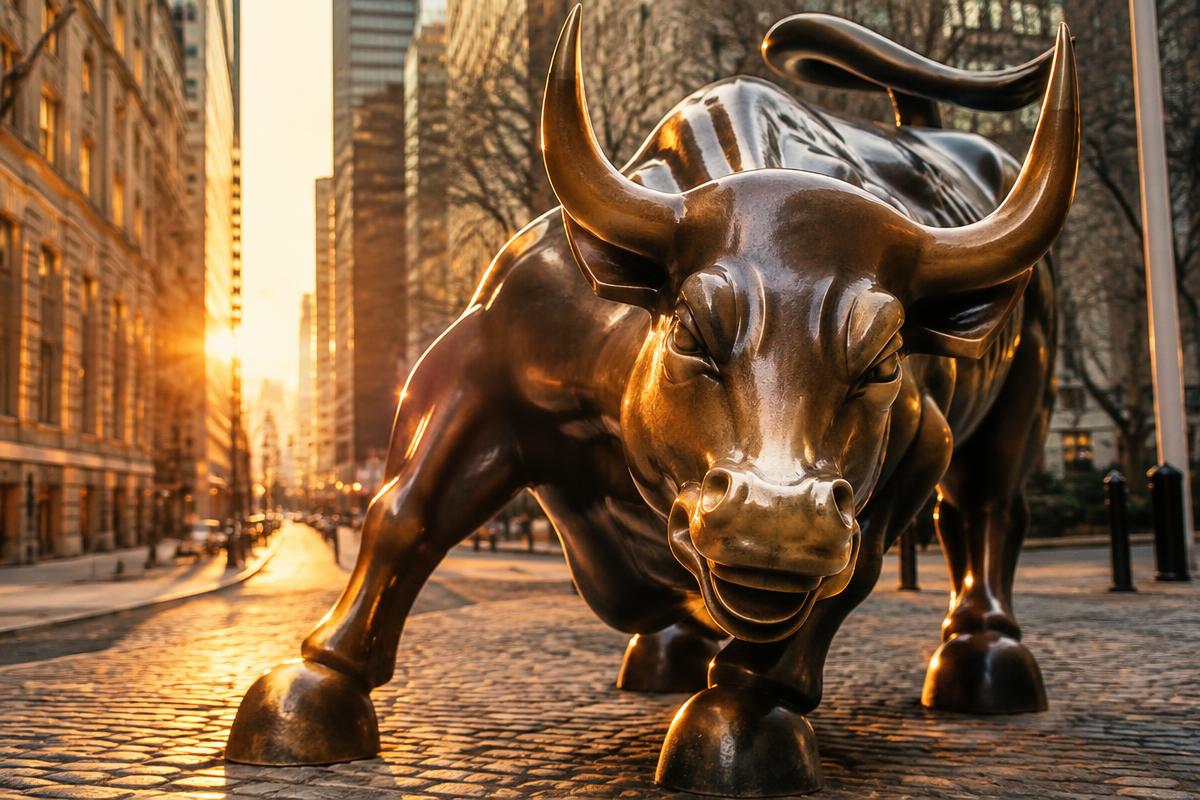
 Bull & Bear Markets
Key takeaway
A stock buyback occurs when a company purchases its own outstanding shares. It may buy in the open market, make a tender offer, or use another permitted structure. Repurchased shares may be retired or held as treasury shares, depending on corporate treatment. The economic result can be fewer shares held by outside investors, but the final share count also depends on new issuance. A buyback is different from you buying shares from another investor because company cash leaves the business. That cash is no longer available for operating needs, acquisitions, debt repayment, or other uses.
In this article
- A company repurchases its own shares
- Calculate the mechanical effect on earnings per share
- Evaluate the purchase price and opportunity cost
- Check net share count rather than gross spending
- Understand dividends, taxes, and regulatory safeguards
- Read a buyback as one part of the investment case
- Frequently asked questions
Evaluate the purchase price and opportunity cost
A buyback is a capital-allocation decision. Repurchasing shares at a reasonable price can benefit continuing shareholders if the company has surplus cash and better uses are limited. Paying far above a defensible value can transfer value to selling shareholders at the expense of those who remain. Intrinsic value is uncertain, so there is no universally observable bargain price. Compare the repurchase with alternatives such as productive investment, reducing expensive debt, strengthening liquidity, or paying a dividend. A mature business with limited expansion opportunities faces different choices from a company that needs funding to remain competitive.
Imagine a company spends $500 million buying 10 million shares at $50 each. If similar purchases could have been made at $40, the same cash would retire 12.5 million shares. That comparison illustrates price sensitivity, not an argument that management should predict every market low. The more important question is whether the business had a reasonable valuation framework and sufficient reserves. Look for consistency between management’s description of investment opportunities and its actual cash allocation. Repeatedly borrowing for repurchases while underfunding essential operations can be a warning sign, even if the stock initially reacts favorably.
Understand dividends, taxes, and regulatory safeguards
A dividend distributes cash directly to eligible shareholders, while a repurchase pays cash to shareholders who sell into the transaction. A continuing shareholder does not automatically receive cash merely because a buyback occurs. In a taxable account, selling shares can realize a capital gain or loss based on the investor’s basis and holding period. Keeping shares generally does not itself realize a gain from the company’s ordinary repurchase activity. Company-level tax rules, including applicable federal repurchase excise-tax rules, can affect corporate costs and contain exceptions. Avoid assuming those rules apply identically to every issuer and transaction.
SEC Rule 10b-18 provides a voluntary safe harbor from certain manipulation liability for qualifying repurchases that meet its conditions; it is not approval of the stock’s value or a blanket exemption from securities law. Companies must also consider disclosure obligations and restrictions involving material nonpublic information. These rules do not make a repurchase risk-free for investors. A share price can fall while a program is operating, and management can suspend purchases. Review current SEC materials and company filings rather than relying on the idea that buybacks provide a permanent floor under the market price.
Read a buyback as one part of the investment case
Begin with the business’s operating cash flow, capital spending needs, debt maturities, and liquidity. Then examine actual dollars spent, average purchase prices, changes in shares outstanding, and the relationship between repurchases and executive compensation metrics. A repurchase that raises EPS may influence compensation targets, making disclosure and governance relevant. Compare several years rather than one quarter because timing can distort short periods. A company buying aggressively near cyclical profit peaks may look different when earnings normalize. The presence of a buyback should prompt analysis, not replace analysis of customers, competition, margins, and valuation.
For an individual investor, a buyback announcement is not a reason to abandon position limits or buy a company you do not understand. If a $10,000 holding already represents a large share of your portfolio, repurchase enthusiasm does not remove concentration risk. Ask whether the investment still fits your goals if the program stops tomorrow. A sound thesis should survive that question. Buybacks can be a sensible way to return excess capital, but they can also obscure dilution or poor capital allocation. The useful distinction is between intelligent execution and impressive announcement language, not between companies that buy back stock and those that never do.
Frequently asked questions
Editorial standards and sources
Globull articles are general education for US investors. Every decode is checked against public filings, company releases and exchange data, and every track record uses the price on the teaser date. Prices can be delayed and facts change, so verify important decisions with the original filing or a qualified professional.
Tags
Share this article
Written and reviewed by the Globull Research Desk
We decode newsletter teasers, check every clue against public filings and track picks over 30, 90 and 365 days. We are not paid by the publishers we cover.
Continue on Globull
- Teaser Stock LookupEvery decoded teaser with live prices and the change since the teaser date.
- Teaser DecoderPaste a newsletter pitch and see the tickers that match its clues.
- Analyst Track RecordsHow newsletter picks did after 30, 90 and 365 days against the S&P 500.
- All finance calculatorsFree calculators for returns, risk, retirement, loans and taxes. No sign-up.
Educational content for US investors, not investment advice. Prices may be delayed. Read our disclaimer.
Back to all articles